The synthetic self
January 12, 2026
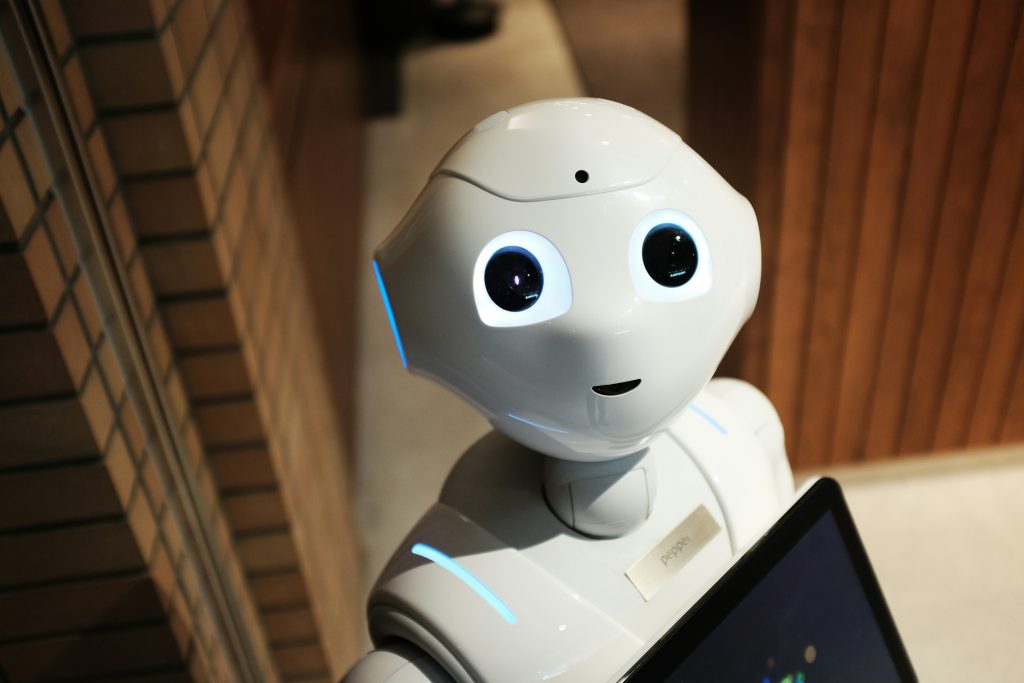
(Aeon) – In order to better understand our human nature, we must attempt to build a robot capable of robust subjective experiences
With the advent of generative artificial intelligence (genAI) that can converse fluidly in the first person, people are asking whether such AIs might someday have a sense of self. Indeed, might they have one already? (OpenAI’s GPT-5, perhaps reassuringly, says it does not.) This question is hard to answer for several reasons, but particularly because we still lack a good understanding of the human self. Significant progress is being made, however, through philosophical, psychological and neuroscientific investigations, and most recently by an approach that I and others have been exploring – the attempt to create or synthesise a sense of self in robots.
Based on what we have learned, I believe a foundational aspect of the human self is that we have physical bodies, and that our experience emerges from a fundamental distinction between what is, and what is not, a part of the ‘embodied’ me. If this is true, then a disembodied AI could never have a sense of self similar to our own. However, for robots that inhabit our physical world through a body – even one quite different to our own – the bets may be off. (Read More)
