I gave the police access to my DNA—and maybe some of yours
August 22, 2025
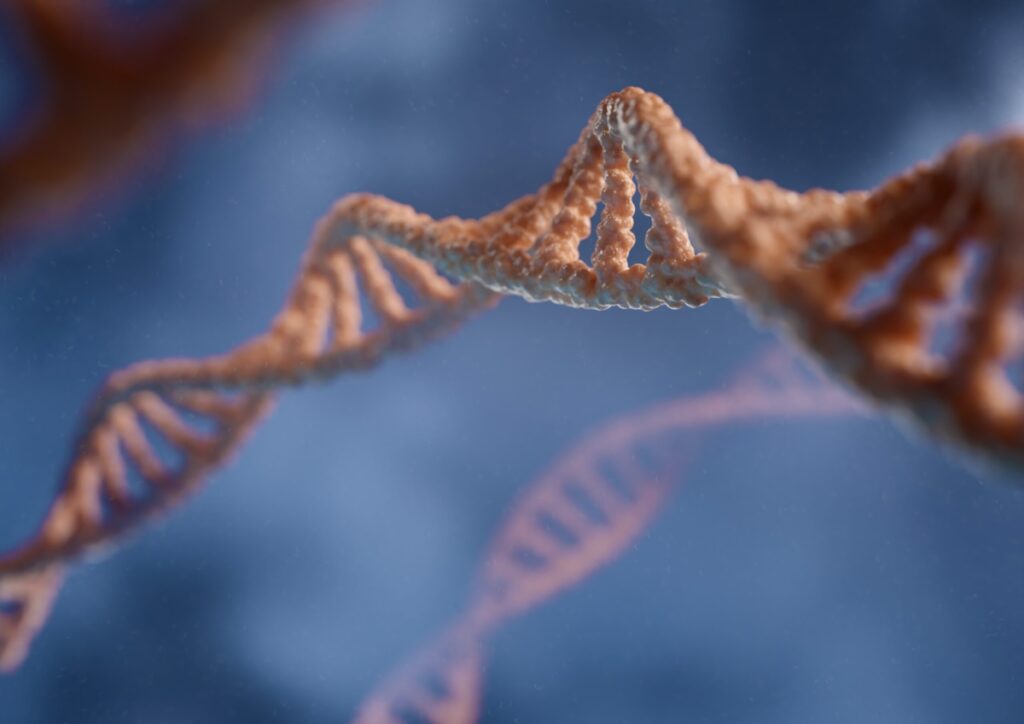
(MIT Technology Review) – My relatives didn’t get a vote when I added my genetic profile to a crime-fighting database.
In 2018, police in California announced they’d caught the Golden State Killer, a man who had eluded capture for decades. They did it by uploading crime-scene DNA to websites like the one I’d joined, where genealogy hobbyists share genetic profiles to find relatives and explore ancestry. Once the police had “matches” to a few relatives of the killer, they built a large family tree from which they plucked the likely suspect.
This process, called forensic investigative genetic genealogy, or FIGG, has since helped solve hundreds of murders and sexual assaults. Still, while the technology is potent, it’s incompletely realized. It operates via a mishmash of private labs and unregulated websites, like FamilyTree, which give users a choice to opt into or out of police searches. The number of profiles available for search by police hovers around 1.5 million, not yet enough to find matches in all cases. (Read More)
